- Veterans Day Sale: Members Get $25 off $100
- support@colemanbrand.com

Fire up the Coleman propane or charcoal grill for even heat, compact folding design, and quick setup. Perfect for burgers, dogs, and campfire meals—bring the BBQ anywhere!
The Coleman Stove is more than just a product; it’s a cultural icon. Since the introduction of the Coleman Model 1 in 1905 and the revolutionary 425 Series in the 1920s, these stoves have been the standard for reliable, durable, and portable cooking in the great outdoors. They are synonymous with car camping, tailgating, and backyard cookouts.
Coleman stoves are engineered for outdoor use, with several key features that have made them legendary:
White Gas (Naphtha) & Propane Fuel Systems:
Classic Liquid Fuel (White Gas) Stoves: These are the original workhorses. They are self-pressurizing, highly efficient, and perform well in cold weather. They require manual priming but are valued for their repairability and use of a refillable fuel source.
Propane Stove (the modern standard): Most Coleman stoves today use standard 16.4 oz. disposable propane cylinders (or larger refillable tanks with an adapter). They offer incredible convenience with instant, push-button ignition.
Powerful Burners & Wind-Blocking Design:
Coleman stoves are known for their high BTU (British Thermal Unit) output, allowing for fast boiling and real cooking. A typical two-burner model outputs 20,000 total BTUs.
The stove’s body and adjustable wind baffles on the sides are designed to protect the flames from wind, a critical feature for outdoor cooking.
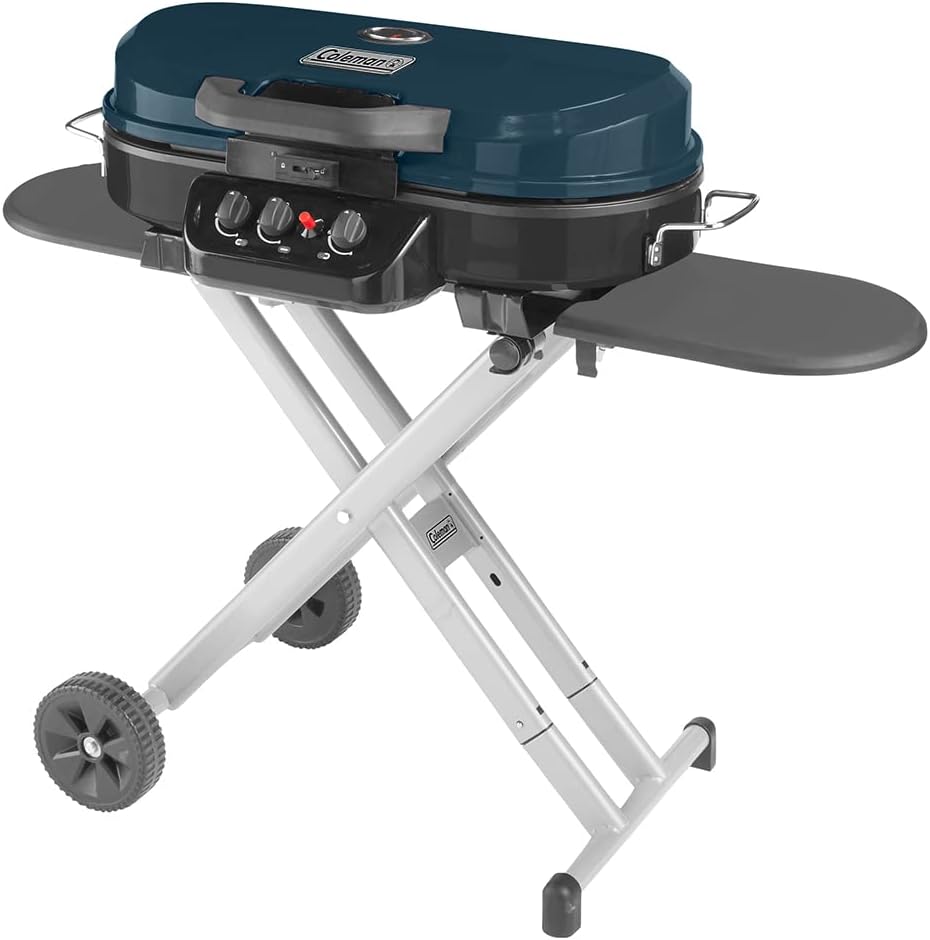
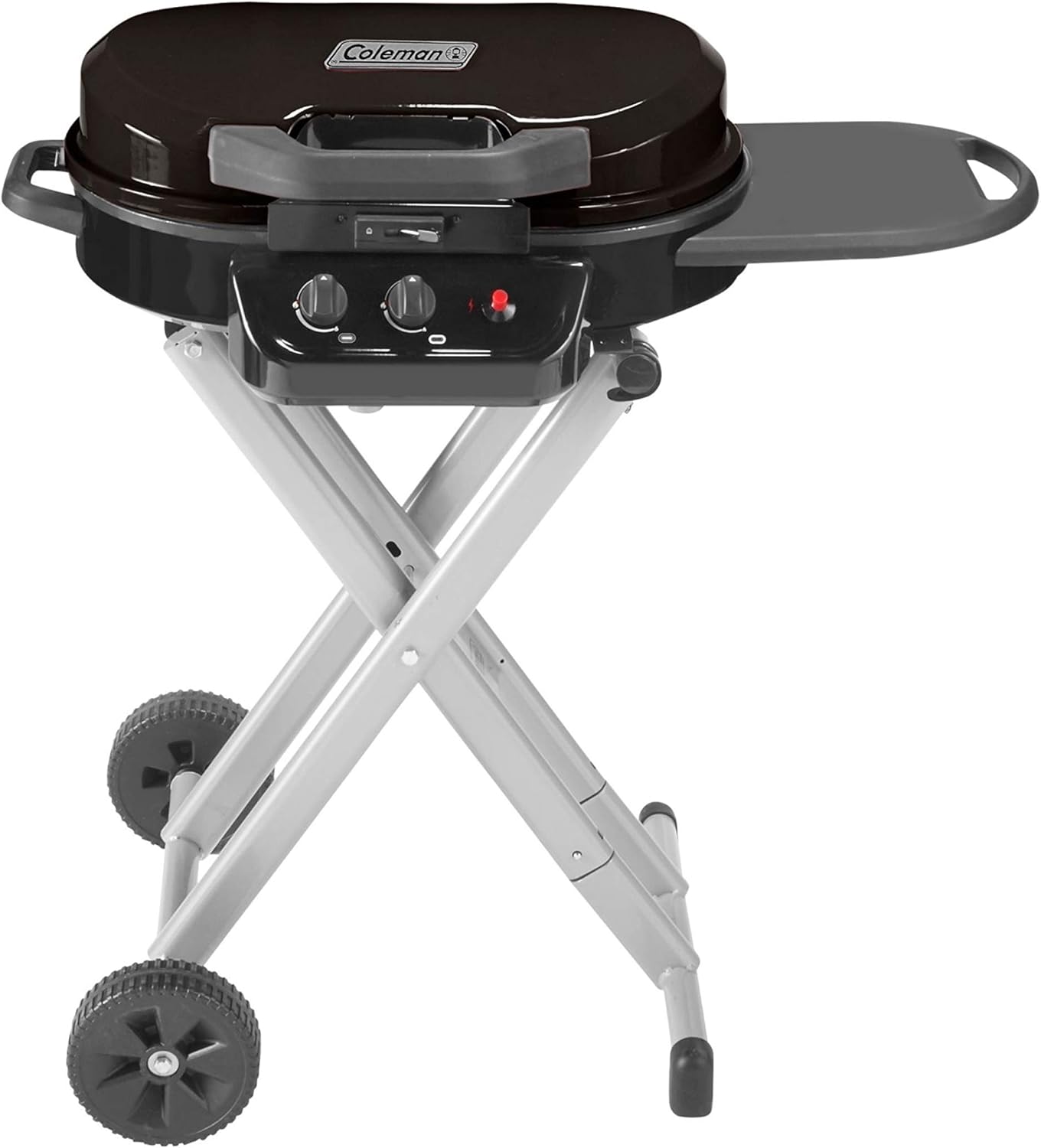
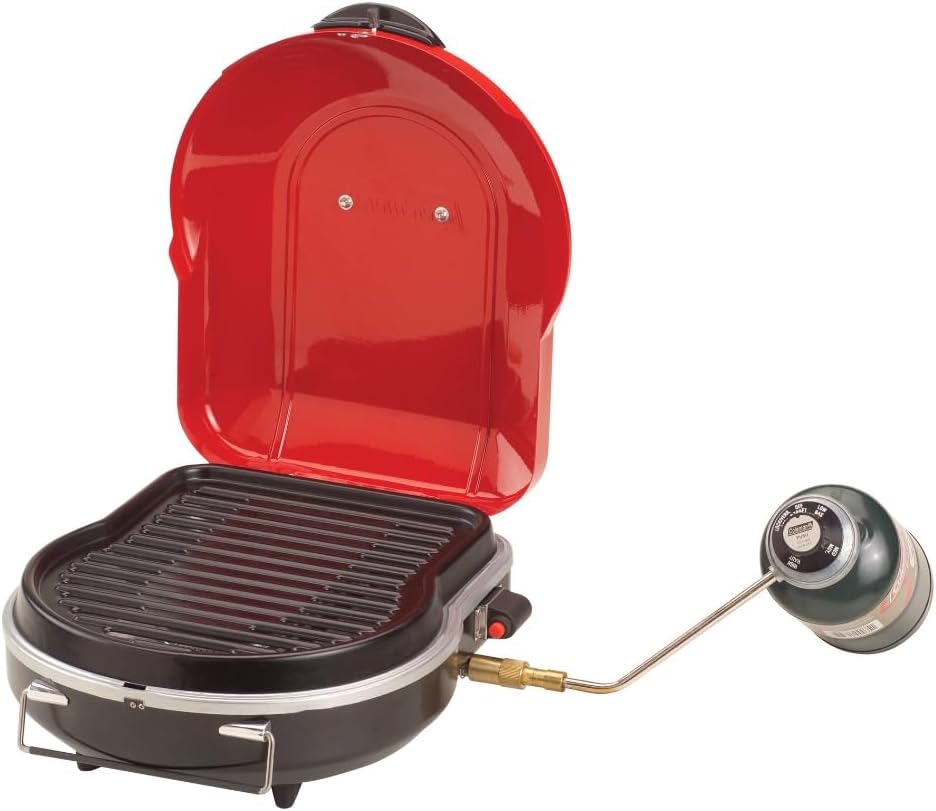
Coleman grills, especially the tabletop propane models, are famously lightweight and portable. Their compact, foldable designs make them perfect for tailgating, camping, picnics, and small balconies.
The push-button InstaStart ignition provides matchless lighting for immediate, consistent heat. This feature ensures you can start grilling in seconds without the hassle of matches or lighters.
Coleman's EvenTemp system includes angled Flavorizer Bars that evenly distribute heat across the cooking surface. This reduces hot spots and helps prevent flare-ups for more consistent results.
Most Coleman grills are designed for standard 16.4 oz disposable propane cylinders. This fuel is readily available, easy to connect, and provides a clean, controllable burn for the duration of your cookout.
Built with sturdy, rust-resistant materials and porcelain-coated grates, these grills are made to last. The grease management system and removable drip tray make cleanup simple after use.
Coleman offers reliable performance and trusted brand quality at an affordable price point. It's the ideal starter grill or a dedicated portable unit without the investment of a large backyard model.
We offer three main types to suit your style:
Portable Propane Grills (e.g., RoadTrip, NXT Series): The ultimate in convenience. Uses disposable 1-lb propane cylinders (many can also adapt to a 20-lb tank). Perfect for tailgating and car camping.
Liquid Propane Grills (e.g., Backyard): Your classic backyard grill that connects to a standard 20-lb propane tank for long cooking sessions.
Portable Charcoal Grills (e.g., Grill & Grill II): For the classic smoky flavor. Compact, affordable, and perfect for the purist who doesn’t mind a little extra cleanup.
The Coleman RoadTrip is our flagship portable grill. It’s known for:
Fold-and-Go Wheels: Rolls like luggage and folds up for compact storage.
InstaStart Button: Push-button ignition for easy lighting.
PerfectFlow™ Pressure Control: Consistent grilling performance, even in cold weather or with a low tank.
Interchangeable Cook Systems: You can swap out the flat grill grate for a griddle or stove grate.
Yes! Most Coleman portable propane grills can be connected to a standard 20-lb propane tank using a Coleman Propane Hose Extension (model Q99). This is more cost-effective and ideal for long trips.
Ensure all control knobs are in the “OFF” position.
Connect the propane cylinder and turn the valve on.
Open the lid (to prevent gas buildup).
Turn the knob to “START/HIGH” and press the Igniter button.
If there is no igniter, use a long match or lighter through the lighting hole on the side of the grill.
Preheat for 5-10 minutes before cooking.
Most grills require some minor assembly (attaching legs, side tables, and connecting the burner). The instructions are included and generally straightforward. The hardest part is often attaching the regulator to the burner—just make sure it’s snug.
Check the Obvious: Is the propane tank valve open? Is the tank empty?
Check the Connection: Is the propane cylinder/line securely connected to the grill?
Igniter: The battery in the push-button igniter may be dead. You can always light it manually with a match.
Blockage: Check for spider webs or debris in the burner tube (a common issue). Clean with a pipe cleaner or compressed air.
Low Tank: The propane tank is low or it’s very cold outside. The PerfectFlow system helps, but a fresh tank is best.
Regulator “Tripping”: The safety regulator can engage if a knob is turned on before the gas is opened, causing low flow. Turn off the grill and tank, disconnect the line, then reconnect and start over.
Clogged Burner: Clean the burner ports as mentioned above.
Preheat Thoroughly: Give it a full 10 minutes to get hot.
Manage Wind: Use the grill in a sheltered spot or use a windbreak.
Don’t Crowd the Grates: Leave space for heat to circulate.
Use a Meat Thermometer: This is the most reliable way to ensure perfect doneness.
colemanbrand.com is a participant in the Amazon Services LLC Associates Program, an affiliate advertising program designed to provide a means for sites to earn advertising fees by advertising and linking to Amazon.com.
